The Chef’s Choice: Why Aroma and Elongation Matter
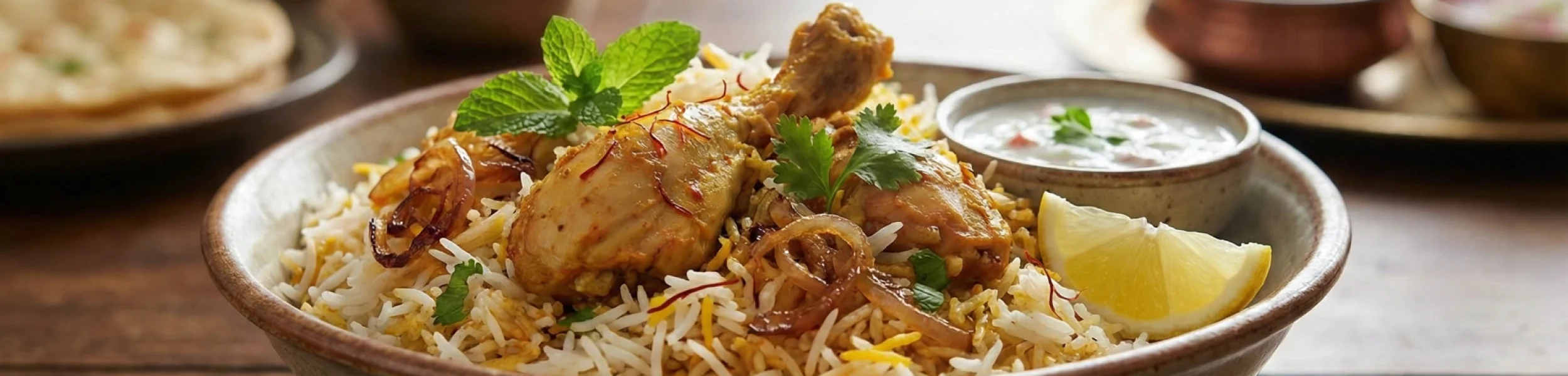
The Chef’s Choice: Why Aroma and Elongation Matter in Premium Basmati Rice
When chefs, restaurants, hotels, and food businesses choose premium Basmati rice, they look beyond just grain appearance. Two of the most important quality indicators in Basmati rice are aroma and elongation.
These characteristics directly affect:
- taste,
- presentation,
- customer satisfaction,
- and overall dining experience.
Whether preparing biryani, mandi, kabsa, pulao, or other premium rice dishes, high-quality Basmati rice can significantly enhance the final result.
In this blog, we explain why aroma and elongation matter in premium Basmati rice and why they are highly valued in GCC food markets.
What Is Aroma in Basmati Rice?
Basmati rice is famous worldwide for its naturally rich fragrance.
This aroma develops due to:
- rice variety genetics,
- cultivation conditions,
- aging process,
- and storage quality
Premium Basmati rice releases a pleasant fragrance both:
- before cooking,
- and after cooking.
The aroma becomes especially noticeable in dishes like:
- biryani,
- mandi,
- kabsa,
- and pulao.
For restaurants and hospitality businesses, aroma plays a major role in customer perception and dining satisfaction.
Why Aroma Matters for Restaurants and Food Businesses
Aromatic rice improves the overall dining experience.
Benefits include:
- Better food presentation
- Premium customer perception
- Stronger restaurant quality standards
- Improved customer satisfaction
In GCC countries where rice-based dishes are highly popular, aroma is considered a key indicator of premium quality.
Hotels and restaurants often prefer aged Basmati rice because aging enhances:
- fragrance,
- grain texture,
- and cooking performance.
What Is Rice Elongation?
Elongation refers to how much the rice grain length increases after cooking.
Premium Basmati rice is known for:
- long raw grains,
- and exceptional post-cooking elongation.
Instead of expanding in width, quality Basmati rice expands mainly in length after cooking.
This creates:
- elegant presentation,
- fluffy texture,
- and separated grains.
Why Elongation Is Important
Good elongation improves both appearance and food quality.
Benefits include:
- Better visual presentation
- Non-sticky texture
- Improved serving quality
- Higher plate appeal
- Premium restaurant standards
For biryani and mandi dishes, long fluffy grains are essential for authentic presentation.
Poor-quality rice may become:
- sticky,
- broken,
- or clumped after cooking.
Premium elongated grains create a more luxurious dining experience.
How Rice Aging Improves Aroma and Elongation
Aging is one of the most important factors in premium Basmati rice quality.
Properly aged rice generally offers:
- stronger aroma,
- better cooking texture,
- reduced moisture,
- and superior elongation.
Many premium Basmati varieties are aged for months before export to achieve optimal cooking performance.
This is why aged Basmati rice is highly preferred by:
- restaurants,
- hotels,
- catering businesses,
- and premium retail brands.
Popular Basmati Varieties Known for Aroma and Elongation
Several Basmati rice varieties are popular in GCC markets for their cooking quality.
1121 Basmati Rice
Known for:
- extra-long grains,
- exceptional elongation,
- and premium appearance.
Widely used for:
- biryani,
- luxury hospitality,
- and premium export markets.
1718 Basmati Rice
Popular for:
- balanced aroma,
- good texture,
- and excellent cooking quality.
1509 Basmati Rice
Preferred for:
- faster cooking,
- good elongation,
- and affordability.
Pusa Basmati Rice
Known for:
- rich aroma,
- soft texture,
- and consistent grain quality.
Why GCC Markets Prefer Premium Basmati Rice
Countries like:
- UAE,
- Saudi Arabia,
- Qatar,
- Kuwait,
- Bahrain,
- and Oman
have strong demand for premium Basmati rice because rice is a staple part of regional cuisine.
Popular dishes such as:
- Mandi
- Kabsa
- Biryani
- Majboos
require rice with:
- long grains,
- rich aroma,
- and fluffy texture.
As a result, importers and food businesses prioritize suppliers that provide consistent cooking quality.
How Professional Processing Helps Maintain Quality
Maintaining aroma and elongation requires proper rice processing.
Professional rice exporters use:
- advanced milling systems,
- moisture control,
- color sorting technology,
- and hygienic packaging methods.
Poor processing or improper storage can reduce:
- aroma strength,
- grain quality,
- and cooking performance.
At Jannah Rice, we focus on maintaining export-grade quality standards throughout the processing and packaging stages.
Choosing the Right Rice Supplier
When sourcing premium Basmati rice, buyers should evaluate:
- Grain length
- Aroma quality
- Aging standards
- Broken percentage
- Packaging quality
- Export certifications
- Supply consistency
Reliable exporters provide:
- detailed specifications,
- quality reports,
- and shipment consistency.
This is especially important for:
- supermarkets,
- distributors,
- restaurants,
- and private-label brands.
Why Choose Jannah Rice
Jannah Rice supplies premium Indian Basmati rice for GCC markets with a focus on:
- Rich natural aroma
- Excellent grain elongation
- Hygienic processing
- Consistent export quality
- Private-label packaging solutions
- Reliable bulk supply
Conclusion
Aroma and elongation are two of the most important qualities that define premium Basmati rice.
These characteristics improve:
- cooking performance,
- food presentation,
- customer experience,
- and overall product value.
As demand for high-quality rice continues to grow in GCC markets, professionally processed and properly aged Basmati rice remains the preferred choice for restaurants, hotels, supermarkets, and distributors worldwide.
Contact us today for samples and quotations.
Frequently asked questions
Basmati rice naturally contains aromatic compounds that give it its signature fragrance, especially after cooking.
Elongation refers to the increase in grain length after cooking, which is a key quality feature of premium Basmati rice.
1121 Basmati rice is widely known for its extra-long grains and superior elongation after cooking.
Aged Basmati rice offers better aroma, improved texture, and superior cooking performance.
Yes. Jannah Rice exports premium Indian Basmati rice to UAE, Saudi Arabia, Qatar, Kuwait, Bahrain, Oman, and other international markets.